
Discover XBlendix’s story and proven insights on how to build a luxury African fashion brand in 2026, from craftsmanship and branding to global positioning.
Luxury African fashion is no longer a niche. In 2026, it stands at the intersection of culture, craftsmanship, technology, and global demand for authentic stories.
Building a successful luxury African fashion brand today requires more than beautiful designs. It requires structure, patience, positioning, and deep respect for both heritage and modern consumers. This guide breaks down what it truly takes to build a luxury African fashion brand that can compete on a global level.
1. Define What “Luxury” Means for Your Brand
Luxury is not just about price. It is about perception, experience, and value. Before designing your first piece, you must be clear about what your brand represents, who your ideal customer is, and the emotional experience you want to create. In 2026, luxury African fashion will stand out through precision tailoring, story-driven collections, limited production, premium materials, and an elevated customer experience. If your brand lacks intentionality at every level, it will struggle to command premium pricing.
2. Build a Strong Cultural Identity Without Being Generic
African fashion is rich and diverse, but luxury brands succeed by being specific rather than broad. Instead of claiming to represent “African fashion” in general, focus on the exact culture or region that inspires your work. Highlight the traditional elements you reinterpret and tell the story behind your patterns, silhouettes, and fabric choices. Customers no longer buy clothes alone—they buy meaning. Your cultural identity must be authentic, consistent, and intentional across your designs, branding, website, and marketing campaigns.
3. Invest in Craftsmanship, Not Just Design
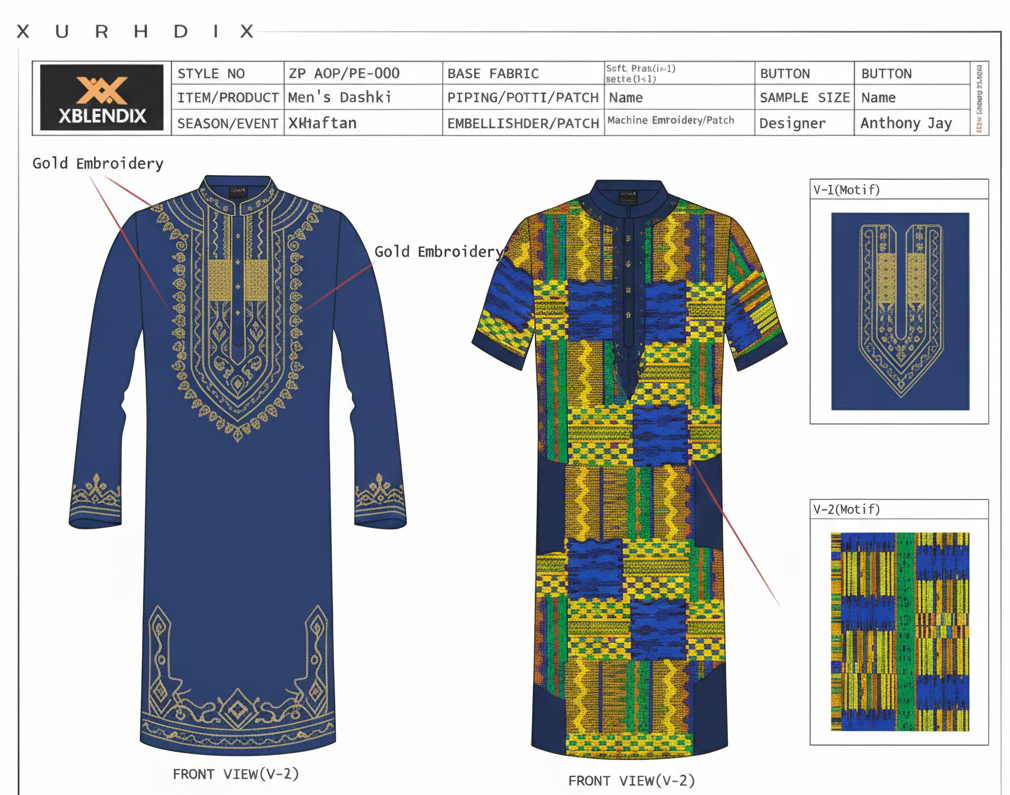
In luxury fashion, craftsmanship is non-negotiable. High-end garments demand clean finishing inside and out, high-quality fabrics that retain shape and color, precise cuts, and consistent sizing. Skilled tailors and strict quality control are essential. In 2026, customers will compare your work with international luxury standards. If your finishing is weak, your brand identity collapses, no matter how strong your designs are.
4. Position Your Brand for the Right Market
Not every brand is meant for everyone. Early on, decide whether you are targeting local luxury buyers, diaspora clients, international fashion consumers, stylists, celebrities, or corporate clients. Your pricing, branding, production volume, and communication style must align with this market. A luxury brand priced too low or marketed like fast fashion immediately loses credibility.
5. Build a Digital-First Luxury Presence
In 2026, your website and online presence are just as important as your garments. Your brand must have a clean, high-end website with editorial-quality product photography, a clear story, and seamless shopping or booking experiences. Social media storytelling should reflect your brand’s personality and vision. Luxury brands do not scream for attention—they attract through calm confidence, consistency, and clarity.

Wrapping Up with Key Insights
Building a luxury African fashion brand in 2026 is one of the most powerful creative and business opportunities available today. The world wants authenticity, culture, craftsmanship, and originality. African fashion holds all four.
But only brands that combine vision with structure, culture with quality, and creativity with discipline will stand the test of time.
Building a luxury African fashion brand in 2026 requires a long-term mindset. Grow slowly, reinvest profits, refine your identity continuously, and protect your brand image. Avoid shortcuts that dilute your value.
Leave a Reply